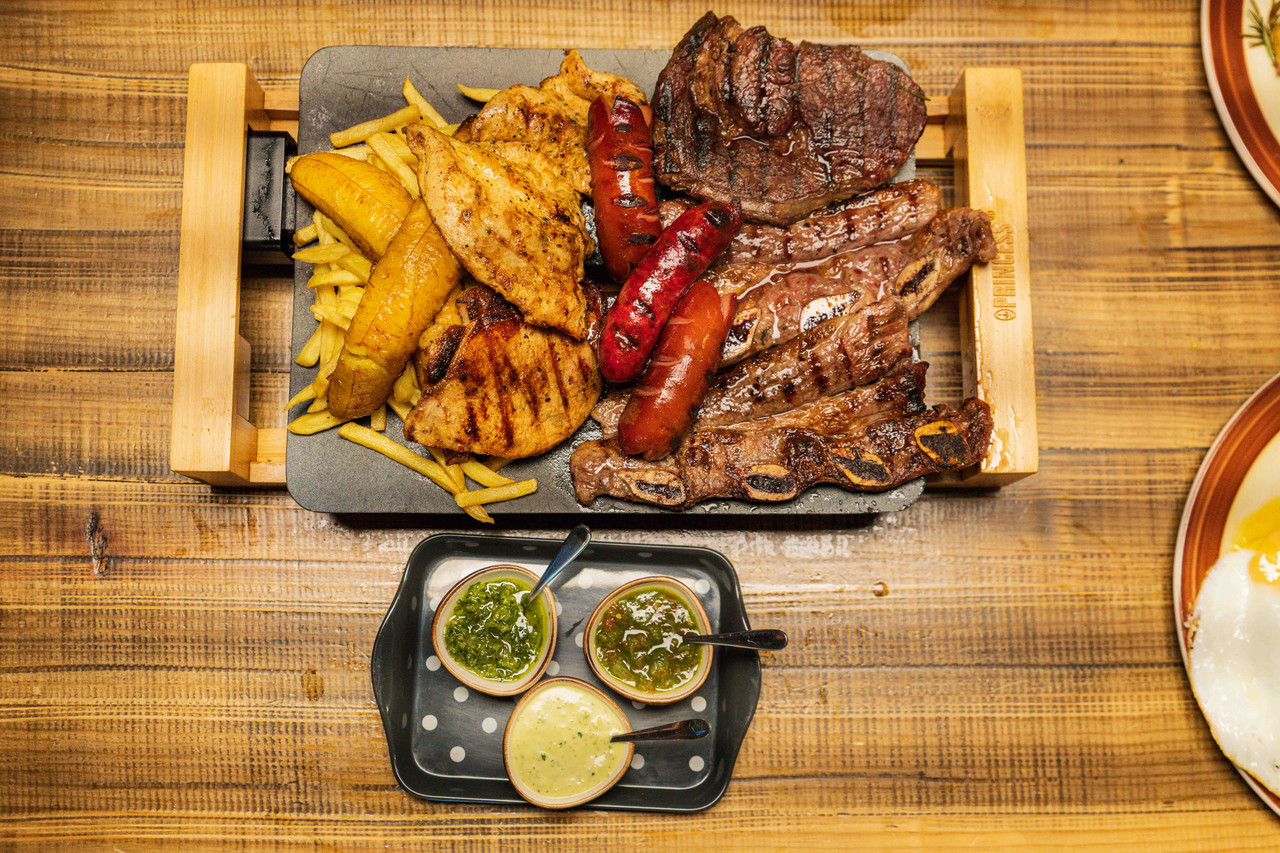
Everything on The Grill section of our menu is cooked entirely over charcoal. It takes more work than a gas grill, but we think the difference is worth it. Here is why a charcoal steak house tastes different.
More heat, better crust
A well-lit charcoal grill gets very hot. That direct heat browns the outside of a steak quickly through the Maillard reaction, building a dark, savoury crust while the centre stays juicy. On a cooler grill the steak tends to cook through before it browns.
Smoke adds flavour
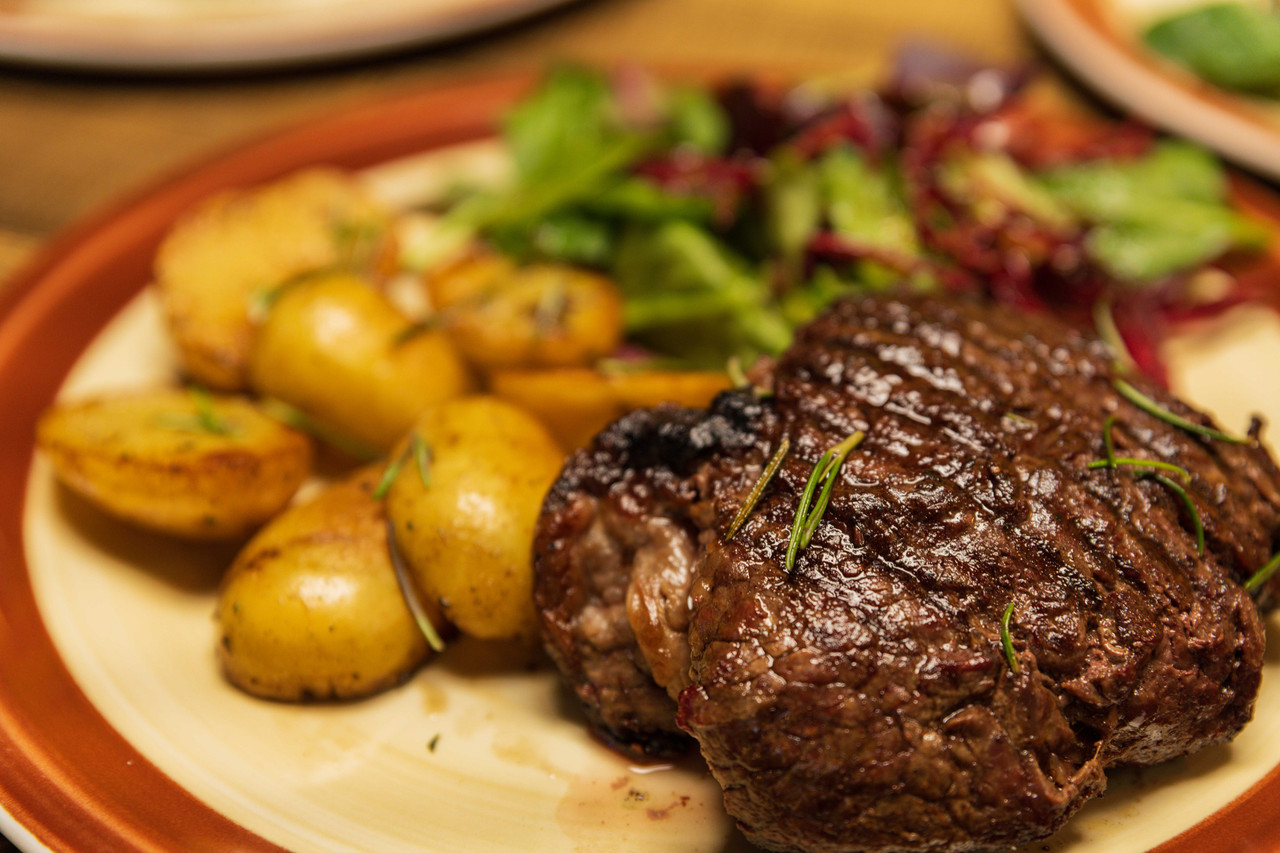
When fat and juices drip onto hot coals they turn into smoke, which rises back into the meat. That light, smoky taste is the main thing people notice about charcoal-grilled steak, and a gas burner cannot recreate it.
Dry heat for a crisp finish
Charcoal produces dry heat, so the surface of the meat crisps rather than steams. That matters for fattier cuts like ribeye and short rib, where the edges should be crisp and caramelised.
Charcoal vs gas at a glance
| Charcoal | Gas | |
|---|---|---|
| Heat | Very high, direct | Lower, even |
| Flavour | Smoky from dripping fat | Clean, little smoke |
| Crust | Dark and crisp | Lighter |
| Effort | High: the fire needs managing | Low |
It is not just steak
The same grill cooks our chicken breast, salmon, lamb chops and beef ribs. The parrilladas come straight off the coals onto the platter.
Taste the difference
If you are looking for a grill restaurant in London that still cooks on real charcoal, come and try a ribeye or sirloin at our steakhouse. Book a table.